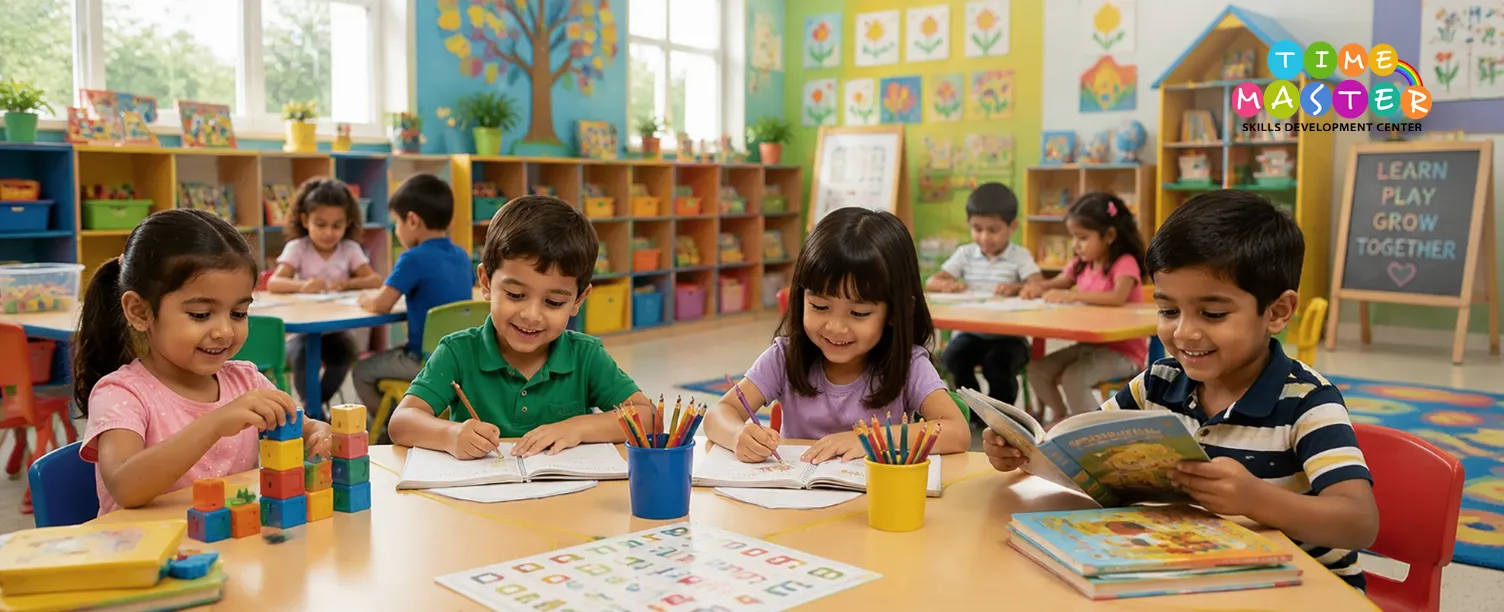
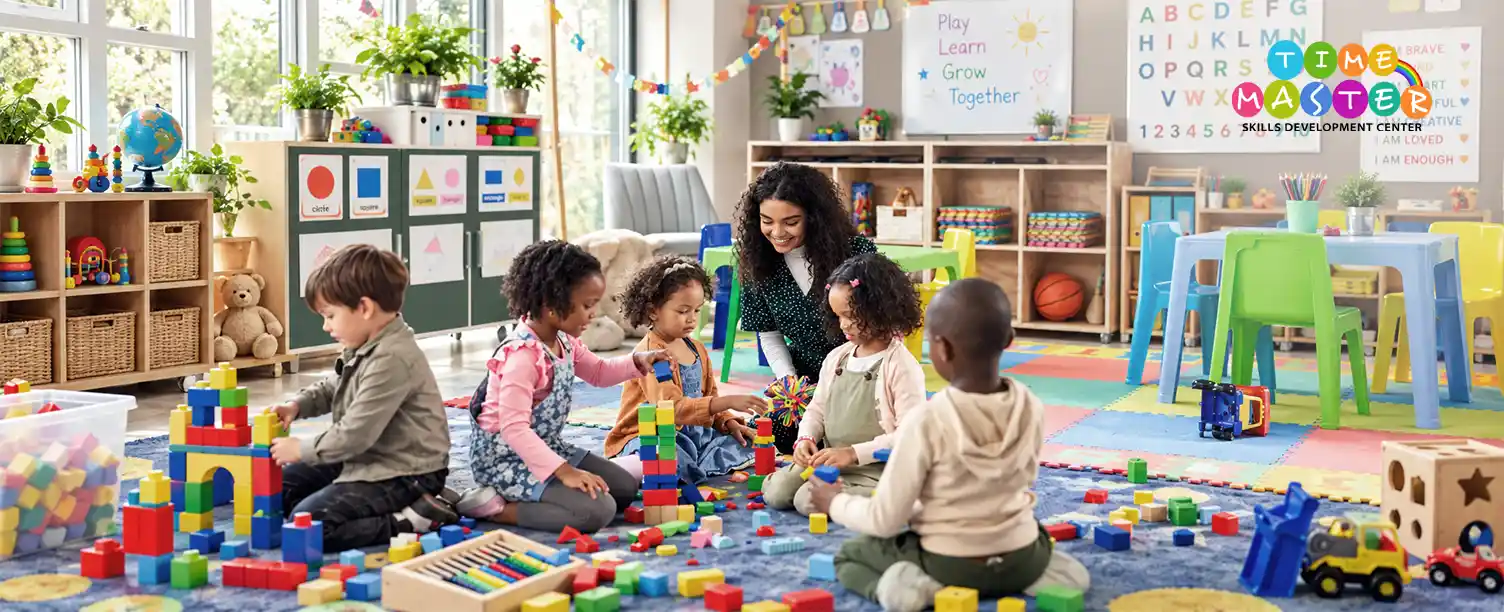
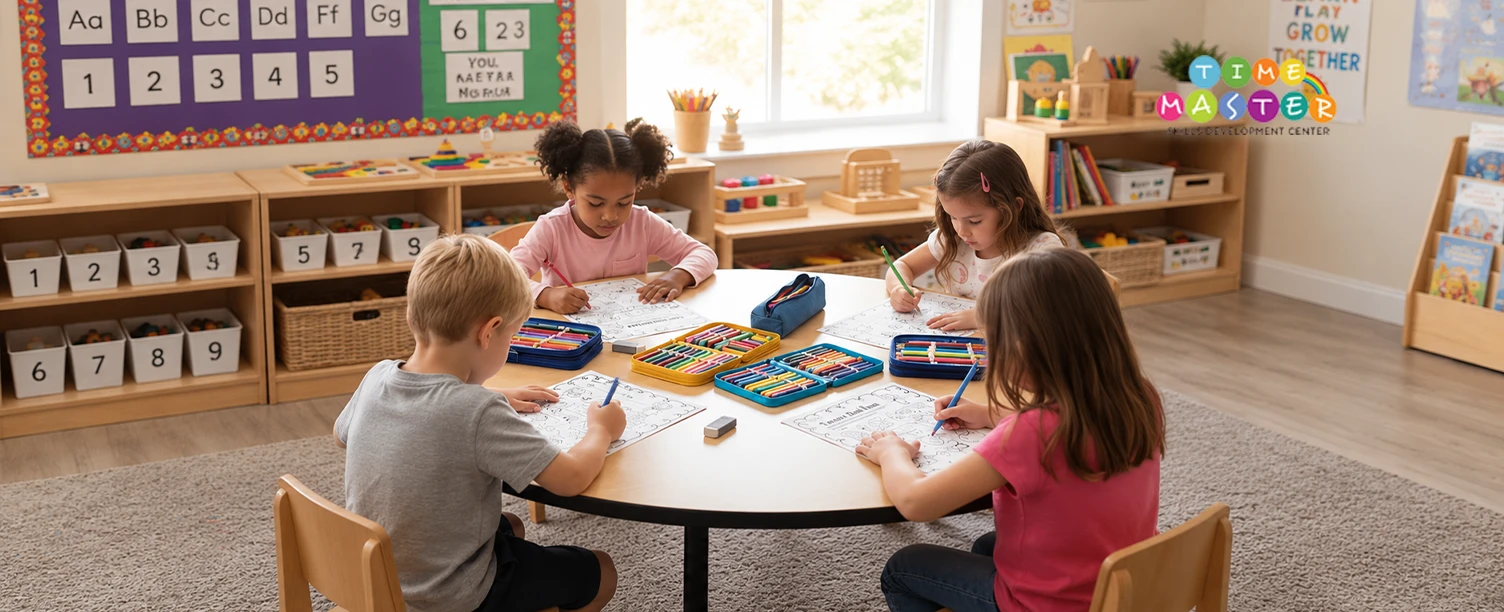
In early childhood, building a strong vocabulary holds immense importance. It significantly influences academic success and communication skills. As children learn words, they enhance their ability to express thoughts and understand others. A robust vocabulary lays the groundwork for effective reading, writing, and verbal communication. Research consistently shows that children with well-developed vocabularies excel academically, making it a crucial aspect of early education. The impact extends beyond the classroom, shaping how children interact with the world around them.
This blog will explore practical tips to improve vocabulary in children, offering valuable insights and actionable advice for parents and caregivers.
Why is Vocabulary Development Crucial?
Vocabulary development in early childhood is crucial for a child's overall growth. As children learn and understand more words, they build a foundation for effective communication and academic success. Tips for increasing vocabulary play a pivotal role in this process, guiding parents to engage in activities that foster language enrichment. A well-developed vocabulary enhances a child's ability to express themselves, comprehend information, and excel in reading and writing.
Moreover, considering the significance of language in various aspects of life, including education and social interactions, investing in language courses for kids can provide structured and interactive learning experiences. These courses complement everyday efforts, ensuring a well-rounded approach to vocabulary development from an early age.
When Should Vocabulary Development Begin?
Vocabulary development should begin in the earliest stages of a child's life, laying the groundwork for effective communication and cognitive growth. From the moment a child starts absorbing language, parents can implement tips for increasing vocabulary to nurture linguistic skills. Simple activities, such as talking and reading to infants, create a language-rich environment that fosters early word recognition.
As children grow, interactive games and storytelling become valuable tools for expanding their vocabulary. While informal methods are essential, considering structured learning experiences like language courses for kids can provide additional support. By starting early, parents can actively contribute to their child's language development, ensuring a strong foundation for future academic and social success.
You may also like: Benefits of Public Speaking Training for Kids
7 Tips to Improve Vocabulary in Children
Building a robust vocabulary in children is a crucial aspect of their overall development. Effective strategies can significantly contribute to this endeavor. Here are the seven practical tips to improve vocabulary in children;
- Reading Aloud
- Conversations and Storytelling
- Word Games and Puzzles
- Vocabulary-Building Apps and Resources
- Language Courses for Kids
- Building a Word-Rich Home Environment
- Modeling and Encouraging Curiosity
1. Reading Aloud
Reading aloud is a cornerstone in the development of a child's vocabulary. This practice not only introduces new words but also helps children understand their usage in context. Parents can choose books with diverse vocabulary, fostering a rich linguistic environment. Engaging children in discussions during reading sessions encourages them to ask questions and seek clarification, reinforcing their comprehension skills.
The bonding experience during reading time further enhances the child's positive association with words, making it an effective and enjoyable method for vocabulary enrichment.
2. Conversations and Storytelling
Regular conversations and storytelling create a language-rich atmosphere essential for vocabulary development. By actively engaging children in discussions about their day, interests, and experiences, parents provide opportunities for them to learn and apply new words. Storytelling, whether through books or imaginative tales, exposes children to a broader range of vocabulary and encourages them to express themselves creatively.
This interactive approach not only enhances their word bank but also nurtures effective communication skills, setting a foundation for successful language development.
3. Word Games and Puzzles
Introducing word games and puzzles into a child's routine transforms vocabulary building into an enjoyable activity. Games like Scrabble, Boggle, or word searches make learning fun and engaging. These activities challenge children to think critically about word patterns, spelling, and meanings. The competitive element also adds motivation, making it an effective strategy to reinforce and expand their vocabulary.
Additionally, word games provide a valuable opportunity for family bonding, turning language development into a shared and enjoyable experience.
4. Vocabulary-Building Apps and Resources
The digital age offers a plethora of vocabulary-building apps and online resources tailored for children. These tools provide interactive and engaging activities designed to enhance language skills. Parents can explore apps that align with their child's age and learning preferences, ensuring a personalized and effective approach to vocabulary development.
Careful selection of resources introduces children to technology while fostering a love for words, creating a balance between screen time and educational content.
5. Language Courses for Kids
Enrolling children in language courses for kids presents a structured and immersive approach to vocabulary development. These courses not only teach language skills but also expose children to diverse cultural perspectives. Interactive lessons, games, and activities cater specifically to young learners, making the process enjoyable and effective.
Language courses for kids provide a comprehensive and systematic approach, ensuring a well-rounded vocabulary growth while laying a strong foundation for future language proficiency.
6. Building a Word-Rich Home Environment
Transforming the home into a word-rich environment involves strategically placing labels, posters, and other print materials throughout the living space. This constant exposure to written words reinforces vocabulary and encourages children to explore language independently.
Regular use of dictionaries, easily accessible within the home, empowers children to look up unfamiliar words, promoting autonomy in their language learning journey. Creating a print-rich home environment instills a sense of curiosity and familiarity with words, contributing significantly to a child's expanding vocabulary.
7. Modeling and Encouraging Curiosity
Parents serve as primary language models for their children, influencing their language development. Consistently using varied and expressive language in daily interactions sets a positive example. Encouraging questions, providing thoughtful answers, and expressing genuine curiosity about words foster a positive attitude toward learning.
Celebrating language milestones, no matter how small, reinforces the importance of language exploration. Modeling and encouraging curiosity create a supportive environment that fuels a child's love for language and lifelong learning.
Also Check Out: Tips to Improve Language Skills in Children
Strategies for Catering to Different Learning Styles
Understanding that children have diverse learning styles, effective teaching involves tailoring strategies to match individual preferences. Here are practical approaches for catering to different learning styles:
- Use colorful visual aids, charts, and diagrams to illustrate concepts.
- Encourage the use of flashcards and visual organizers to reinforce information.
- Utilize spoken explanations, discussions, and storytelling to convey information.
- Encourage listening to educational podcasts or audiobooks to reinforce concepts.
- Integrate hands-on activities, experiments, and practical applications of concepts.
- Allow movement during learning, such as pacing or using manipulatives.
- Provide written materials, including textbooks, articles, and written instructions.
- Encourage note-taking, summarizing, and writing assignments to reinforce learning.
Catering to diverse learning styles ensures a more inclusive educational experience, allowing each child to engage with and retain information effectively.
How Can Parents Assess Their Child's Vocabulary Progress?
Parents can actively gauge their child's vocabulary progress through simple and effective methods. Regular conversations provide insights into the child's ability to express thoughts and use a diverse range of words. Observing how well a child understands and responds to instructions or questions also offers valuable indicators. Additionally, engaging in shared reading experiences allows parents to assess the child's comprehension and grasp of new vocabulary.
To enhance this process, parents can implement specific tips for increasing vocabulary, such as introducing new words during daily activities and encouraging the child to use these words in their own communication. These methods foster a holistic understanding of the child's language development.
Find more: How Language Courses Help Children Learn a New Language
Conclusion
In conclusion, actively engaging in the developmental journey of a child's vocabulary is paramount. The implementation of diverse strategies, including tips for increasing vocabulary, empowers parents to foster language enrichment effectively. This holistic approach not only contributes to academic success but also shapes the child's lifelong relationship with language, ensuring a bright linguistic future.
.webp)