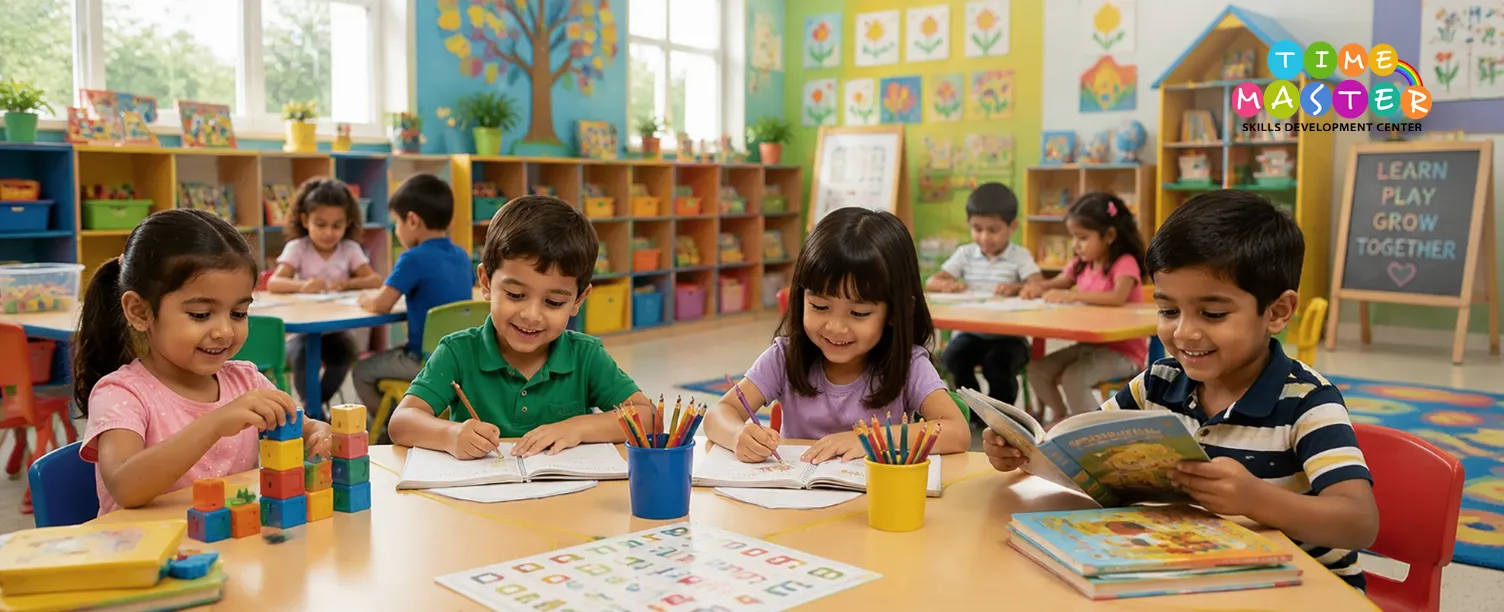
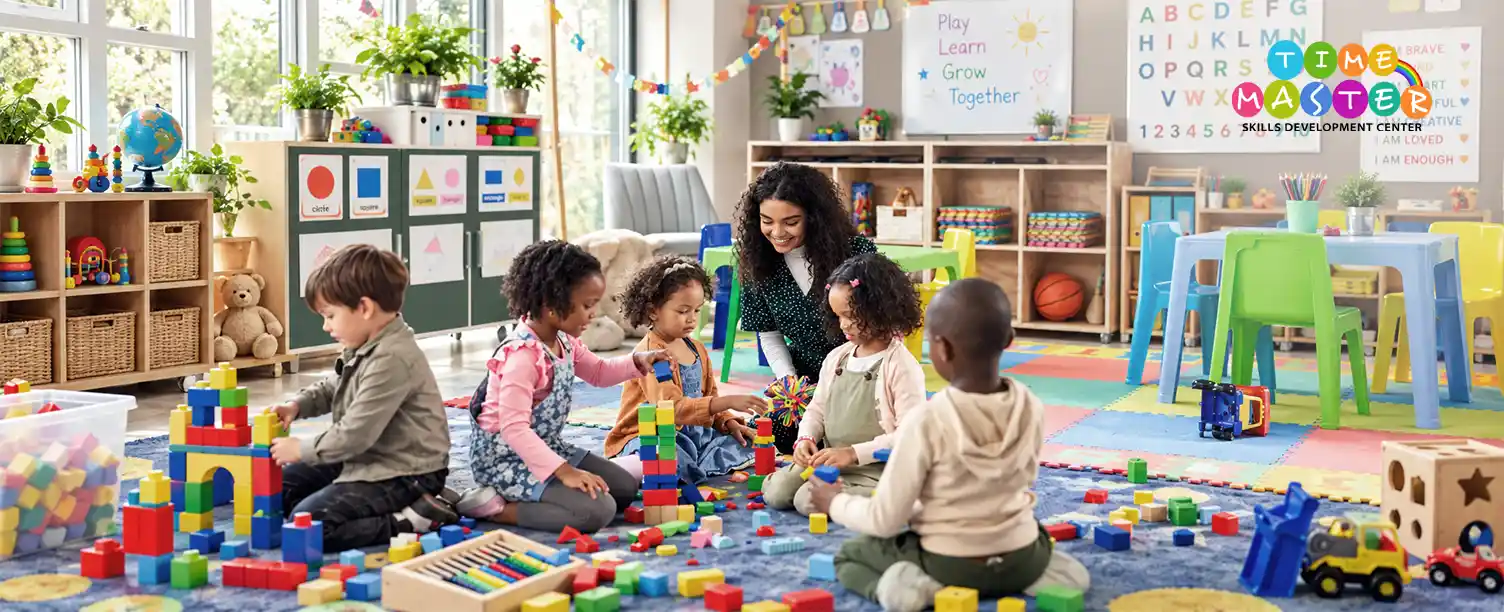
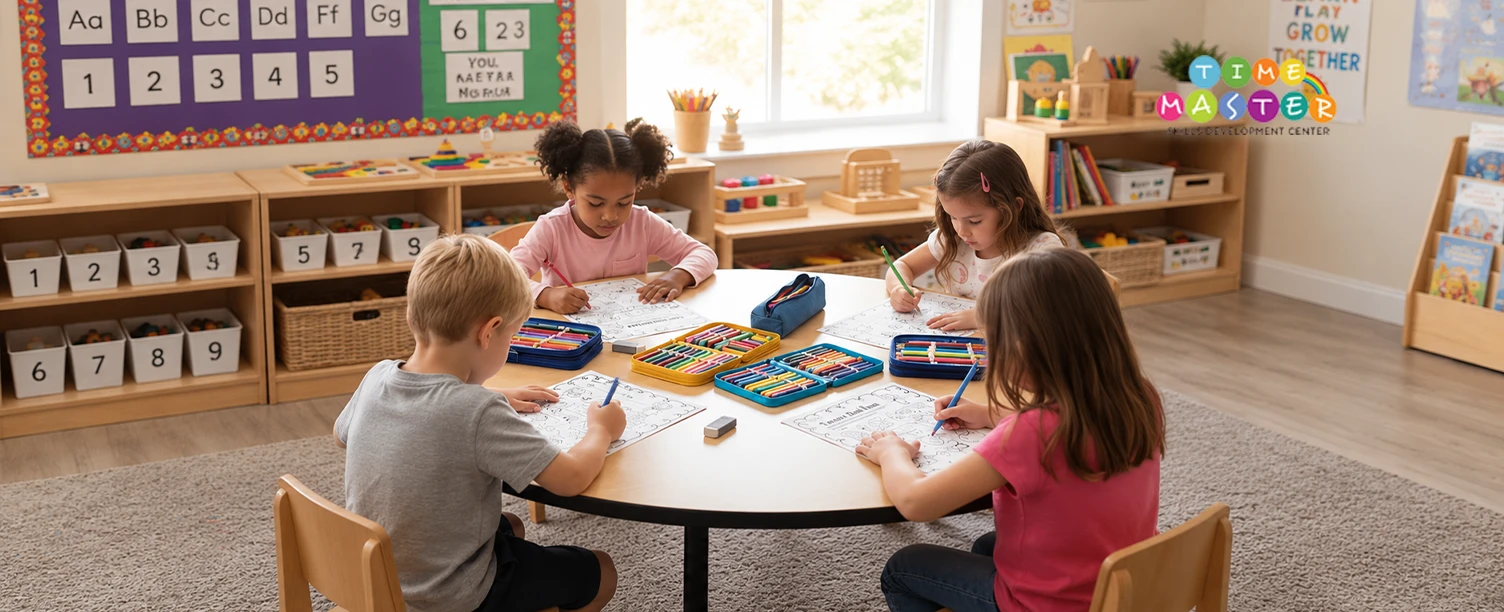
This blog will explore practical strategies and tips to improve reading skills, empowering parents with valuable insights to enrich their children's literary journey.
When is the Best Time to Start Encouraging Reading Habits?
Determining the optimal moment to develop reading habits in kids is a crucial consideration for parents and caregivers. Experts suggest that the ideal time to cultivate reading habits is during a child's early years. Research indicates that children exposed to reading from infancy tend to show enhanced language development and cognitive skills.
Excitingly, studies reveal that children who start to develop reading habits early are more likely to excel academically. By incorporating enjoyable and age-appropriate books into daily routines, parents can make a significant impact on their child's literacy journey. Early intervention not only fosters a love for reading but also establishes a strong foundation for lifelong learning.
What are the Early Signs of Reading Readiness?
Recognizing the early signs of reading readiness is essential for parents and caregivers aiming to support a child's literacy journey. Typically, children display curiosity about written words and books as an initial sign. They may show interest in listening to stories, ask questions about letters, or even pretend to read. The ability to recognize and name letters and some basic sounds is another positive indicator.
Observing a child's enthusiasm for rhyming words and playing with language also signifies early reading readiness. Additionally, a child's eagerness to hold and explore books independently indicates a growing interest. By being attentive to these early cues, parents can tailor their approach to foster a reading habit and provide the necessary support for a child's literacy development.
You may also like: Skill Development Activities for Students
Tips to Develop Reading Habits in Kids
Parents and caregivers play a pivotal role in a child's literacy journey, and incorporating effective strategies can significantly enhance their reading skills. Here are some valuable tips to improve reading skills in kids:
1. Create a Reading-Friendly Environment
Establishing a conducive reading environment is crucial for fostering a love for books. Begin by designing a cozy reading space filled with age-appropriate books. Ensure adequate lighting and comfortable seating to create an inviting atmosphere. Research suggests that a dedicated reading nook positively influences a child's engagement with books, contributing to the overall development of their reading skills.
2. Lead by Example
Children often emulate the behavior of those around them. Parents can positively influence their kids by demonstrating a love for reading. Set aside time for personal reading, and make it a family activity to share and discuss books. By creating a reading culture at home, parents actively contribute to developing reading habits in kids, instilling a genuine appreciation for literature.
3. Incorporate Reading into Daily Routine
To cultivate reading habits, integrate reading into the daily routine. Set aside dedicated time for reading, such as before bedtime. Consistency is vital in establishing habits, and having a predictable reading time creates a sense of routine and expectation. This practice helps children associate reading with a regular and enjoyable part of their day.
4. Make Reading Interactive and Fun
Transforming reading into an interactive and enjoyable activity can significantly boost a child's engagement. Organize family reading sessions where everyone participates. Introduce book-related games, ask questions about the story, and encourage discussions. For younger kids, incorporate hands-on activities related to the book's theme, making the reading experience multisensory and memorable.
5. Encourage a Variety of Reading Materials
Diversifying reading materials exposes children to a broad spectrum of content. Beyond traditional storybooks, include magazines, comics, and newspapers. Tailoring reading materials to a child's interests fosters enthusiasm. A varied reading diet enhances vocabulary and comprehension skills, promoting a more holistic approach to literacy.
6. Visit Libraries and Bookstores
Taking regular trips to libraries and bookstores is an excellent way to cultivate reading habits. Allow children to explore and choose books based on their interests. Libraries often host reading programs or events, providing additional opportunities for engagement. Exposing children to different reading environments fosters a sense of excitement and curiosity about books.
7. Celebrate Milestones and Achievements
Acknowledging and celebrating a child's reading milestones is crucial for building confidence and reinforcing positive behavior. Create a reading log or chart to track achievements. Rewarding accomplishments, whether big or small, with praise, stickers, or small incentives creates a sense of accomplishment and motivates children to continue developing their reading skills.
Read On: Effective Reading Strategies for Kids
Effective Strategies for Encouraging Reluctant Readers
Encouraging reluctant readers requires a tailored approach to ignite their interest and develop reading habits in kids. Here are effective strategies to help parents and caregivers engage reluctant readers;
- Ensure the reading space is cozy and free from pressure, allowing the child to explore at their own pace.
- Allow reluctant readers to choose their books based on interests, empowering them to take ownership of their reading journey.
- For auditory learners, audiobooks can be an exciting alternative. They enhance comprehension and contribute to overall literacy skills.
- Acknowledge and celebrate small victories. According to recent studies, positive reinforcement significantly increases a child's motivation to read.
- Integrate reading with a child's hobbies or passions. Whether it's sports, animals, or science, connecting reading to personal interests enhances engagement.
- By implementing these strategies, caregivers can effectively address reluctance and pave the way for reluctant readers to cultivate reading habits.
Conclusion
In conclusion, fostering a lifelong love for reading involves overcoming challenges and implementing effective strategies. By incorporating engaging activities, creating a reading-friendly environment, and celebrating milestones, parents and caregivers can successfully develop reading habits in kids. These tips to improve reading skills provide a foundation for a rich and rewarding literary journey.