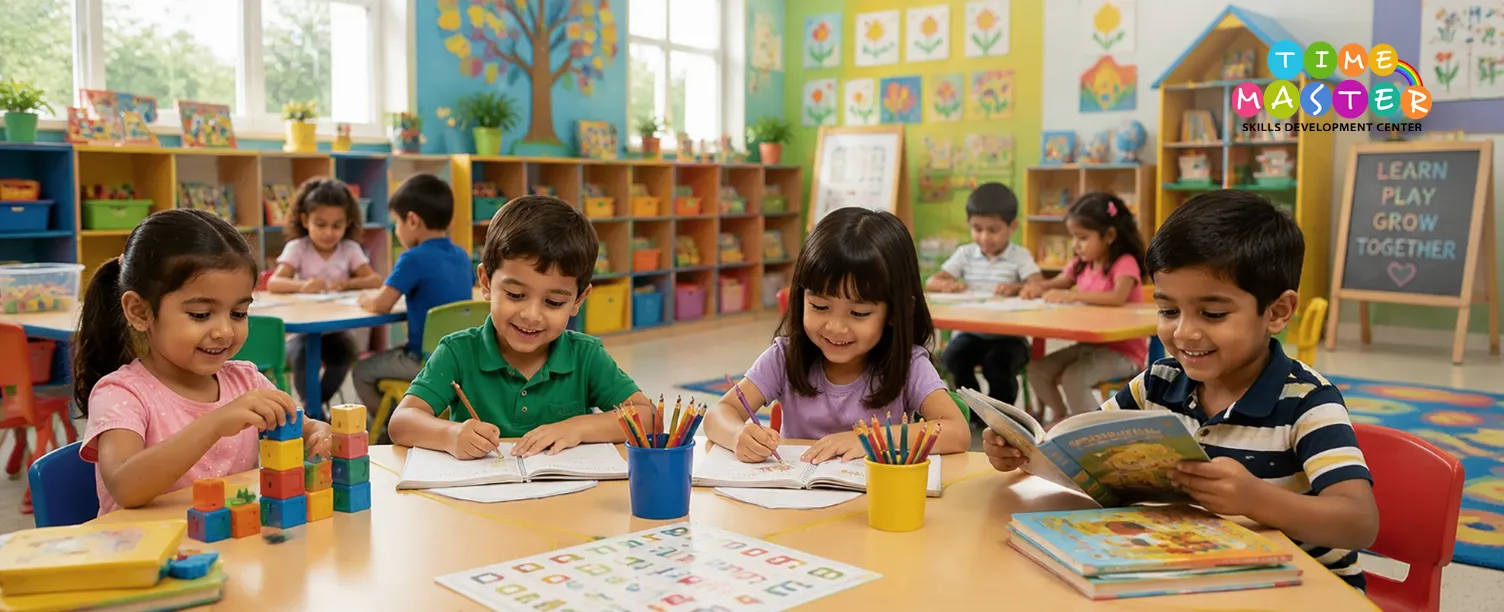
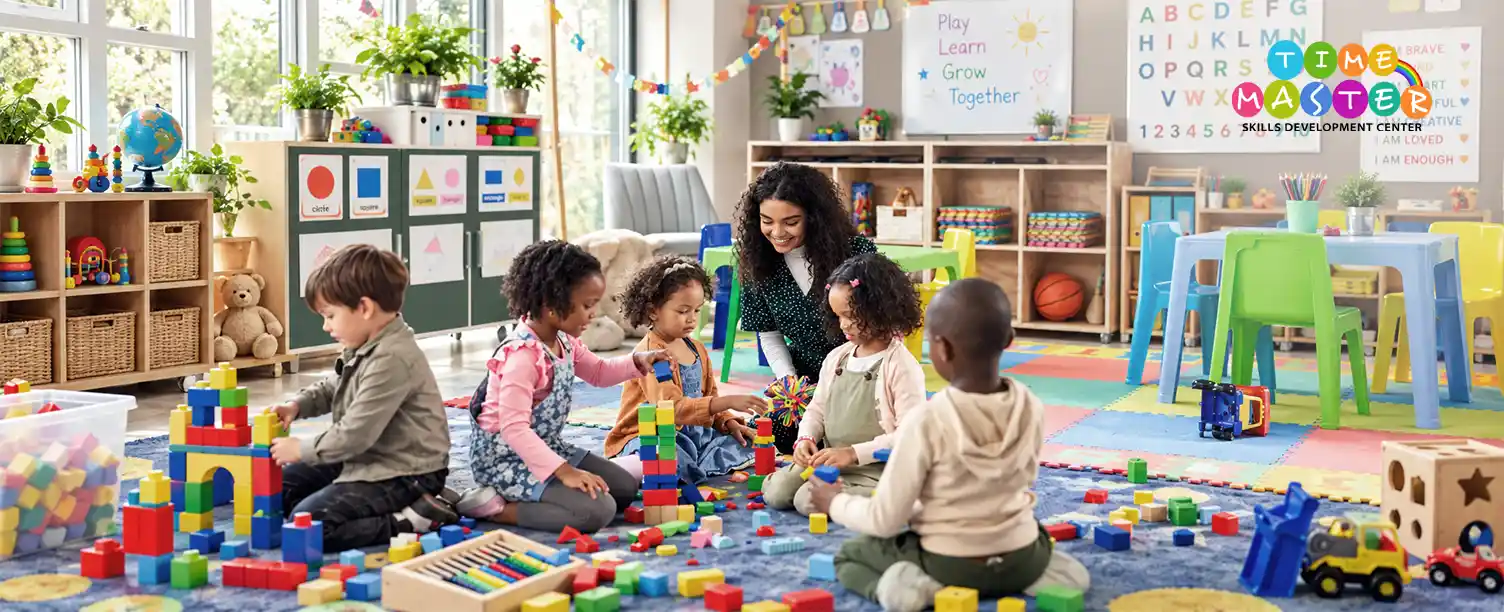
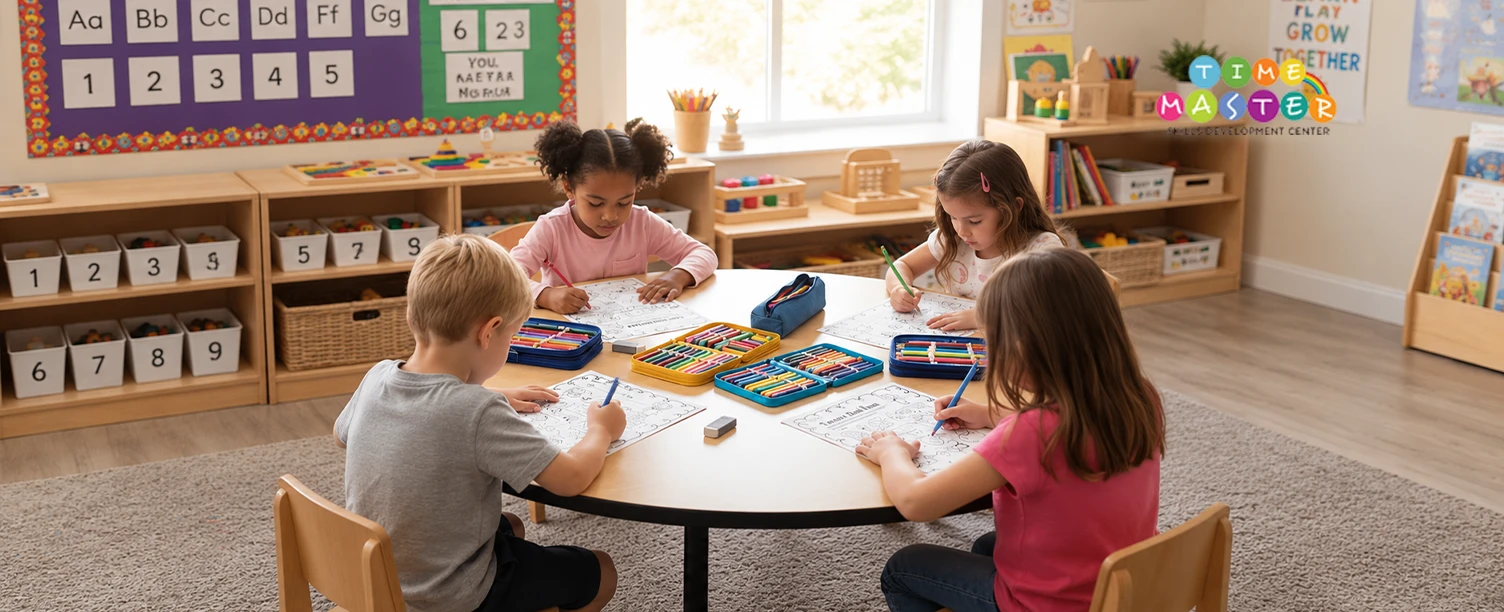
In children's education, understanding the significance of language learning is crucial. Language courses for kids play a pivotal role in shaping their cognitive abilities and fostering effective communication. Recognizing the importance of how to improve language skills, parents seek engaging and interactive methods for their young learners.
In children's development, the significance of language learning cannot be overstated. Using suitable language courses gives kids a foundation for effective communication and cognitive growth. Through well-designed programs focusing on how to improve language skills, children not only grasp linguistic nuances but also enhance their overall learning abilities.
Language proficiency empowers them to express thoughts, comprehend information, and connect with the world. As young minds absorb new vocabulary and communication patterns, the impact of quality language courses for kids becomes evident in their academic and social interactions, shaping a future where effective communication is a valuable skill.
This blog will explore how to improve language skills in children through five enjoyable and effective strategies, making the language-learning journey an exciting adventure for both parents and young learners.
5 Fun Activities to Boost Your Kid's Language Skills
Parents seeking innovative approaches to enhance their children's language skills are in for an adventure. Here are the five captivating methods that go beyond traditional learning, turning language acquisition into a fun and memorable experience.
1. Playful Language Games
Engaging in playful language games is a dynamic way to make learning enjoyable for kids. These interactive activities not only reinforce vocabulary but also foster communication skills. Incorporate classic board games with a twist, integrating language-based challenges to make learning an entertaining experience.Interactive storytelling sessions, where kids actively create narratives, enhance language comprehension and creativity. Explore engaging language-learning apps and online games tailored for kids, turning screen time into a productive and enjoyable language-learning journey.
2. Cultural Immersion at Home
Creating a language-rich environment at home involves immersing children in cultural experiences. Cooking traditional dishes together becomes an opportunity to learn food-related vocabulary while enjoying a hands-on cultural experience. Watching age-appropriate foreign-language cartoons or movies introduces kids to diverse linguistic tones and accents, expanding their cultural awareness.Celebrating cultural festivals and holidays with relevant activities and traditions provides a unique way to blend language learning with a deeper understanding of global customs, contributing to a holistic learning experience.
3. Musical Adventures and Rhyme Time
Music and rhymes offer a powerful avenue for language development. Compile a playlist of lively foreign-language songs for kids, providing a rhythmic way to learn new words and phrases. Organize sing-along sessions with rhyming songs to enhance pronunciation and rhythm recognition.Combining melody and language creates a memorable learning experience, making it easier for kids to retain vocabulary. This auditory approach to language learning introduces an element of joy and creativity, turning what could be a mundane lesson into a musical adventure.
4. Creative Storytelling Sessions
Storytelling is a timeless method to captivate young minds and enhance language skills. Utilize props and visual aids to make storytelling sessions interactive and visually stimulating. Encourage children to create their own stories in the target language, fostering imagination and language expression.Reading bilingual books together provides exposure to multiple languages and cultures, making storytelling not only a linguistic exercise but also a cultural exploration. These creative sessions build a strong foundation for language comprehension and communication.
5. Arts and Crafts Language Projects
Incorporating creativity into language learning through arts and crafts projects adds a hands-on dimension to linguistic development. Craft a multilingual family language tree, visually representing different languages spoken at home. Make flashcards with drawings and labels to reinforce vocabulary in a creative way.Crafting a language-themed scrapbook becomes a personalized language journey, combining artistic expression with linguistic exploration. These artistic endeavors not only make language learning enjoyable but also provide tangible, visual reminders of the words and phrases learned, contributing to a holistic understanding of language.
Check Out the Benefits of Language Course for Kids
The Benefits of Early Language Learning
Early exposure to language through dedicated language courses for kids offers many advantages that significantly contribute to a child's overall development. Here are the key benefits:
- Early language learning stimulates brain development and enhances problem-solving and critical thinking abilities
- Structured language courses enhance kids' communication skills, aiding in confident expression.
- Early language learning fosters an appreciation for different cultures, promoting global awareness and understanding.
- Multilingual children tend to excel academically, showing advanced reading, writing, and analytical abilities
- Young minds' plasticity enables effective language acquisition and proficiency in various linguistic environments.
Also read: Best Ways to Teach Your Kids English
Conclusion
In conclusion, fostering language development in children is a rewarding journey for both parents and young learners. By combining structured language courses with creative, interactive methods, parents empower their children with effective communication skills and a lifelong love for languages. This investment in early language learning lays the foundation for academic success and cultural appreciation.