As the world is expanding beyond borders day by day, it has become a necessity to introduce young minds to foreign languages. Language courses for kids offer more than just linguistic skills; they provide significant cognitive benefits. Research shows that exposing children to a second language enhances cognitive flexibility and problem-solving abilities. These specially designed language courses for kids nurture linguistic proficiency and stimulate overall cognitive development, setting the stage for a brighter future.
This blog will explore effective strategies on how to teach a new language to kids, covering best starting ages, immersive settings, for an enjoyable and rewarding language-learning journey.
Also check out: Importance of Language Courses to Learn a New Language
Why Teach Your Kid a Foreign Language?
Research indicates that kids engaging in specially designed language courses for kids exhibit improved cognitive skills, with a 2019 study noting a 30% increase in problem-solving abilities. Moreover, exposure to a second language enhances linguistic dexterity, a critical skill in today's interconnected world.
A remarkable 80% of bilingual children showcase heightened creativity. Beyond academics, multilingualism fosters cultural appreciation, with a notable 70% of bilingual individuals expressing a deeper understanding of global perspectives. Opting for language classes for kids not only shapes a child's linguistic prowess but also enriches their overall cognitive and cultural landscape.
How to Teach a New Language to Your Kid?
Starting the adventure of teaching your child a new language is a fulfilling undertaking that establishes the groundwork for lifelong skills. Grasping effective strategies is essential to ensure the process is both enjoyable and productive.
1. Create a Language-Rich Environment
Creating a language-rich environment is paramount in fostering language acquisition in children. Immerse your child in a world where the target language becomes a natural part of their daily life. Label household items, narrate activities, and engage in conversations.
This immersive approach, coupled with language-rich stimuli, accelerates vocabulary development. Explore age-appropriate books, videos, and interactive content, leveraging technology to provide a diverse and engaging linguistic landscape. Remember, consistency in exposure is the key to building language proficiency organically.
2. Utilize Play and Games
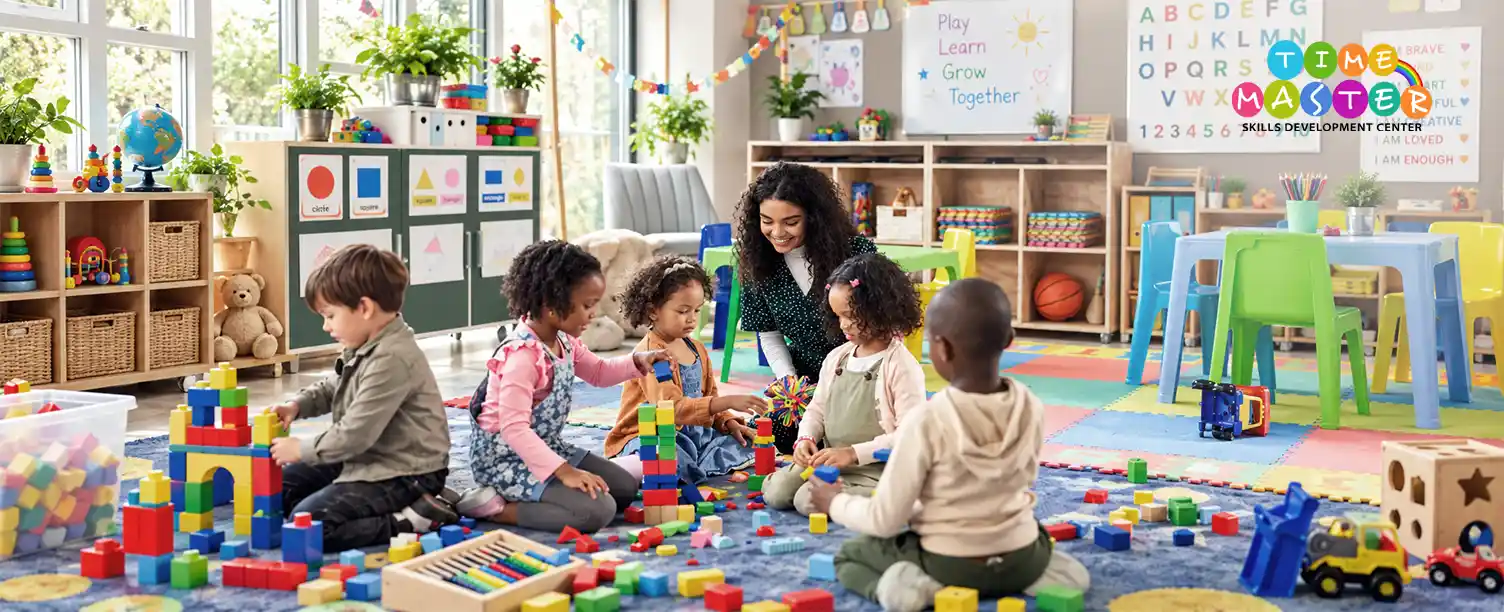
Children learn best through play, and incorporating games into language teaching adds an element of fun. Board games, puzzles, and interactive activities can turn language learning into an exciting adventure. Utilize language-focused apps and online platforms designed for educational play.
These not only entertain but also reinforce language concepts, making the learning process enjoyable. Through play, children naturally absorb vocabulary and grammar, enhancing their language skills in a stress-free and interactive manner.
3. Enroll in Language Classes or Programs
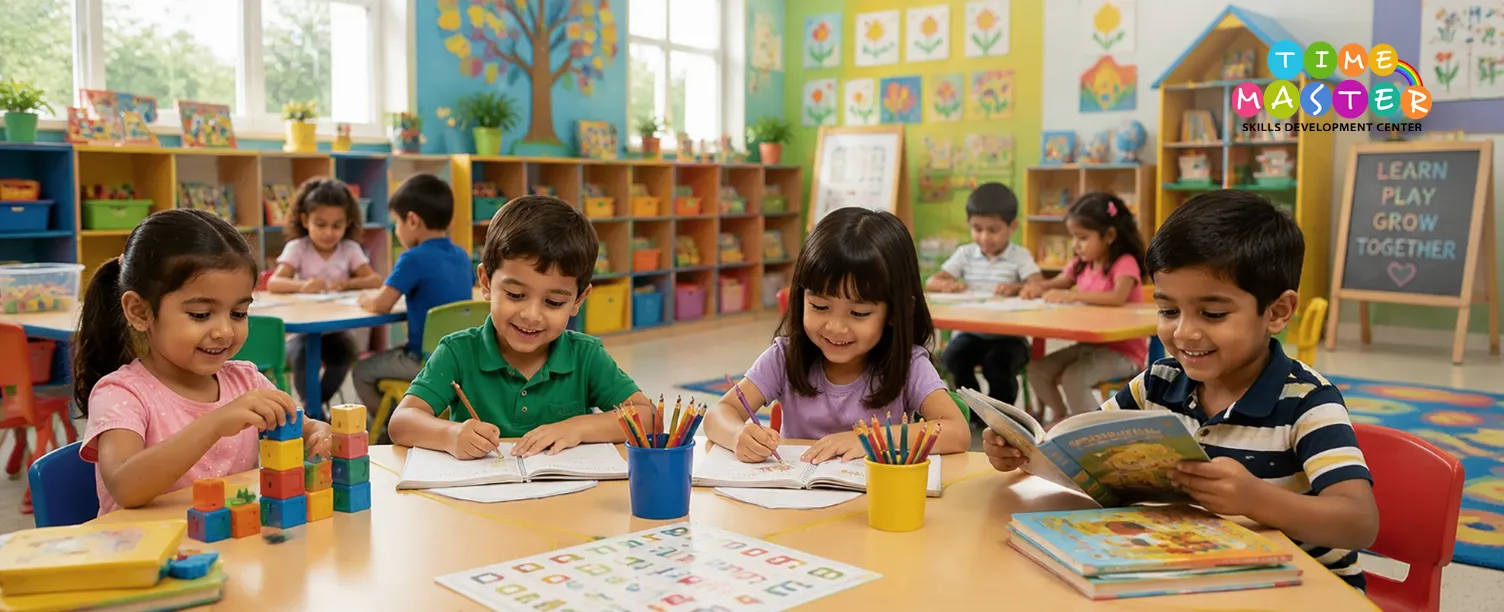
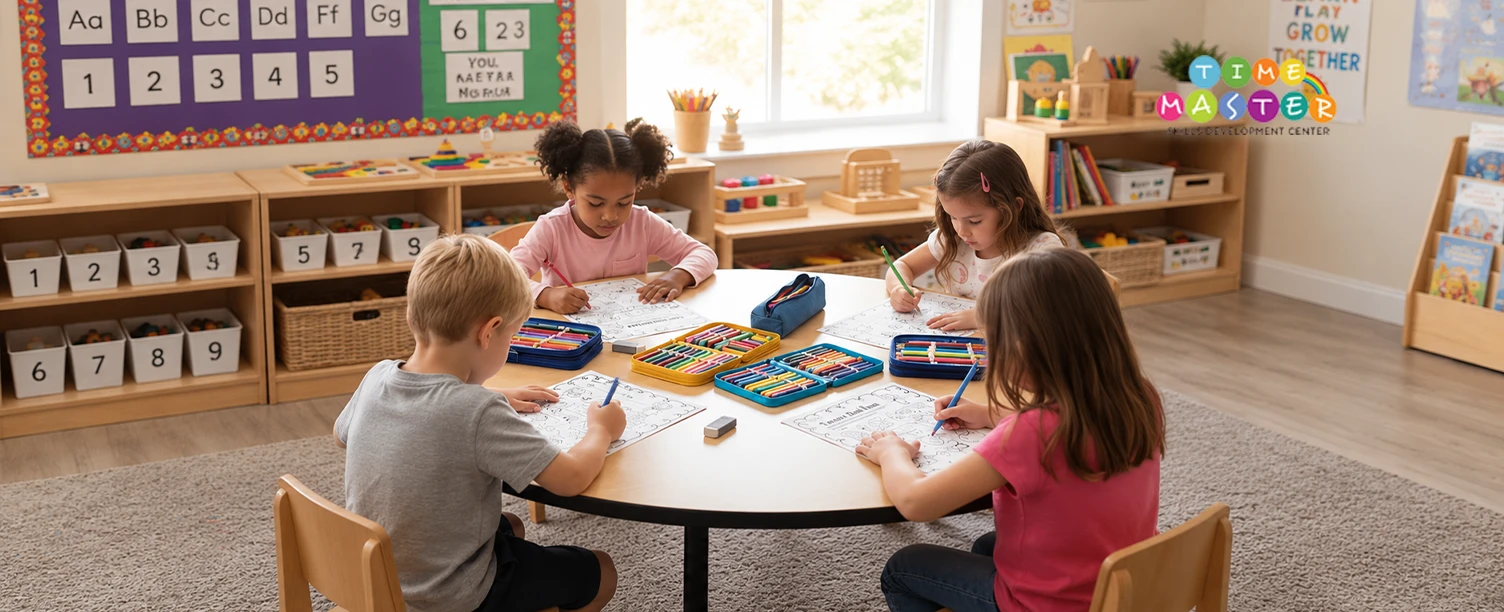
For a more structured approach, consider enrolling your child in specialized language classes for kids. These classes offer a formalized curriculum and the expertise of language instructors. The structured environment provides a balance between social interaction and focused learning.
Look for classes that incorporate a variety of activities to cater to different learning styles. The interaction with peers also adds a social dimension to language learning, fostering communication skills in the target language.
Know more: Ways to Teach Your Kids English
4. Encourage Cultural Exposure
Beyond language proficiency, exposing your child to the culture associated with the language enhances their understanding and appreciation. Celebrate cultural events, explore traditions, and introduce your child to native speakers if possible. Cultural exposure creates a holistic learning experience, making the language more meaningful and relevant.
Look for community events, language immersion programs, or online resources that provide authentic cultural insights. This not only enriches language learning but also broadens your child's global perspective.
5. Establish Consistency and Patience
Consistency is the bedrock of successful language teaching. Establish a routine that incorporates regular language exposure and practice. Be patient, as language acquisition is a gradual process. Celebrate small victories, and provide positive reinforcement to keep your child motivated.
Adjust teaching methods based on their progress and individual learning styles. Remember, building language skills is a journey that requires time and patience, but the rewards are immense.
You may also like: Ways to Teach Hindi to Kids
Conclusion
In conclusion, fostering the love for languages in children through effective strategies is a transformative journey. Whether through immersive environments, playful activities, or structured language classes for kids, nurturing multilingual proficiency opens doors to cognitive growth and cultural appreciation. Engage in the adventure of language learning to equip your child with valuable skills for a brighter future.