Choosing a preschool is one of the biggest early decisions parents make. It is not just about finding a place where a child spends a few hours each day. It is about choosing an environment where they will learn, grow, play, and build confidence.
Many parents ask the same question: What makes a preschool truly high quality?
A good preschool does more than teach letters and numbers. It helps children feel safe, curious, social, and ready for the next stage of learning.
This blog discusses the top 5 features of a high-quality preschool that every parent should know.
What Makes a Preschool High-Quality? 5 Key Features for Parents
If you are comparing preschools, here are the top 5 features of a high-quality preschool that every parent should know.
1. A Safe, Clean, and Child-Friendly Environment
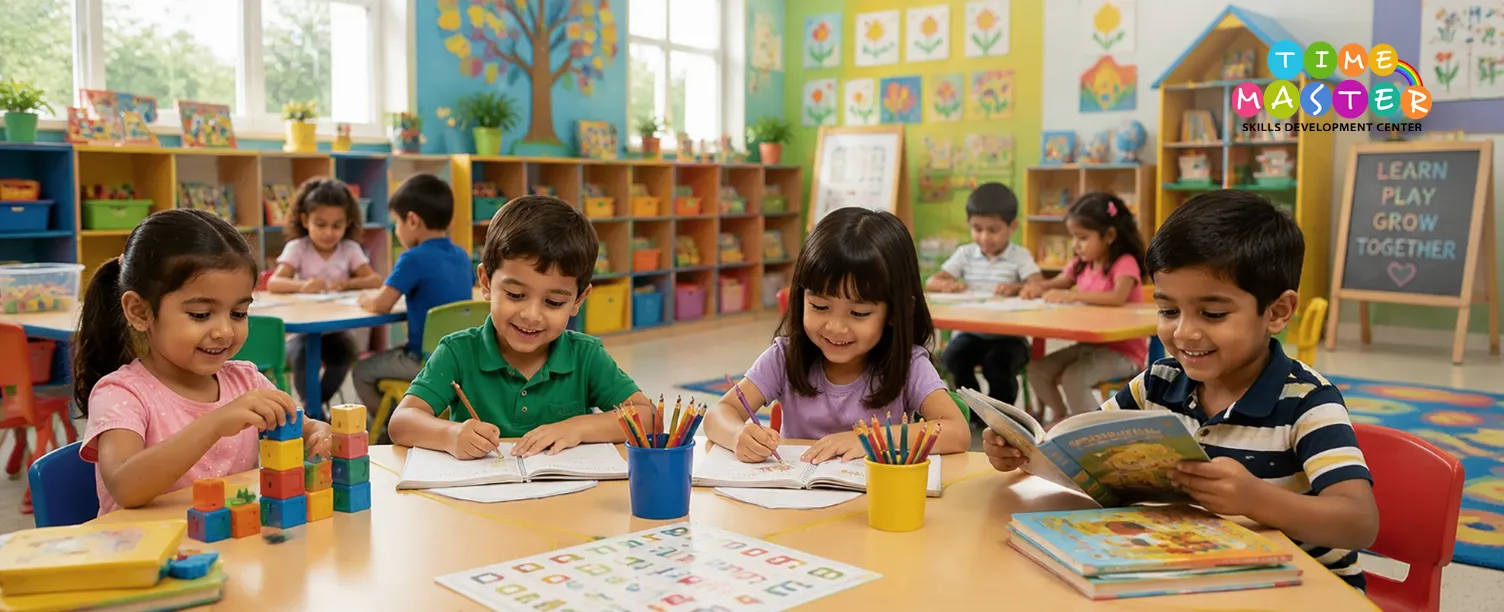
The first thing parents should notice in a preschool is the environment. A high-quality preschool should feel safe, welcoming, and designed for young children.
What to look for:
- Clean classrooms and play areas
- Safe furniture and child-sized equipment
- Secure entry and exit points
- Regular hygiene habits
- Safe outdoor play spaces
Children learn best when they feel secure. A safe environment helps them relax, explore, and enjoy their day.
Clean spaces also matter. Preschool children are still building immunity, so hygiene should be a daily priority. Classrooms, toys, bathrooms, and eating areas should be kept neat and sanitised.
A child-friendly space should also be colourful, calm, and organised. Learning materials should be easy for children to reach. There should be room for movement, play, and group activities.
Why this matters:
When children feel safe and comfortable, they are more confident, active, and open to learning.
Choosing the best preschool in Abu Dhabi means finding a nurturing environment where your child can learn through play, build confidence, and develop essential social and academic skills.
2. Caring and Qualified Teachers
Teachers are the heart of any preschool. A beautiful building means little if the staff are not warm, patient, and trained to work with young children.
A high-quality preschool has teachers who understand child development and know how to support emotional, social, and academic growth.
What to look for:
- Teachers with preschool or early childhood training
- Warm and friendly communication
- Patience and positive guidance
- Good teacher-to-child interaction
- Staff who notice each child's needs
Young children need more than instruction. They need encouragement, kindness, and trust. Good preschool teachers know how to guide children gently while helping them become more independent.
They also know that every child learns differently. Some children speak quickly. Some need more time. Some love group activities. Others need a little support to join in. Skilled teachers understand these differences.
Why this matters:
A caring teacher can help a child feel happy, understood, and excited to go to preschool every day.
3. Learning Through Play
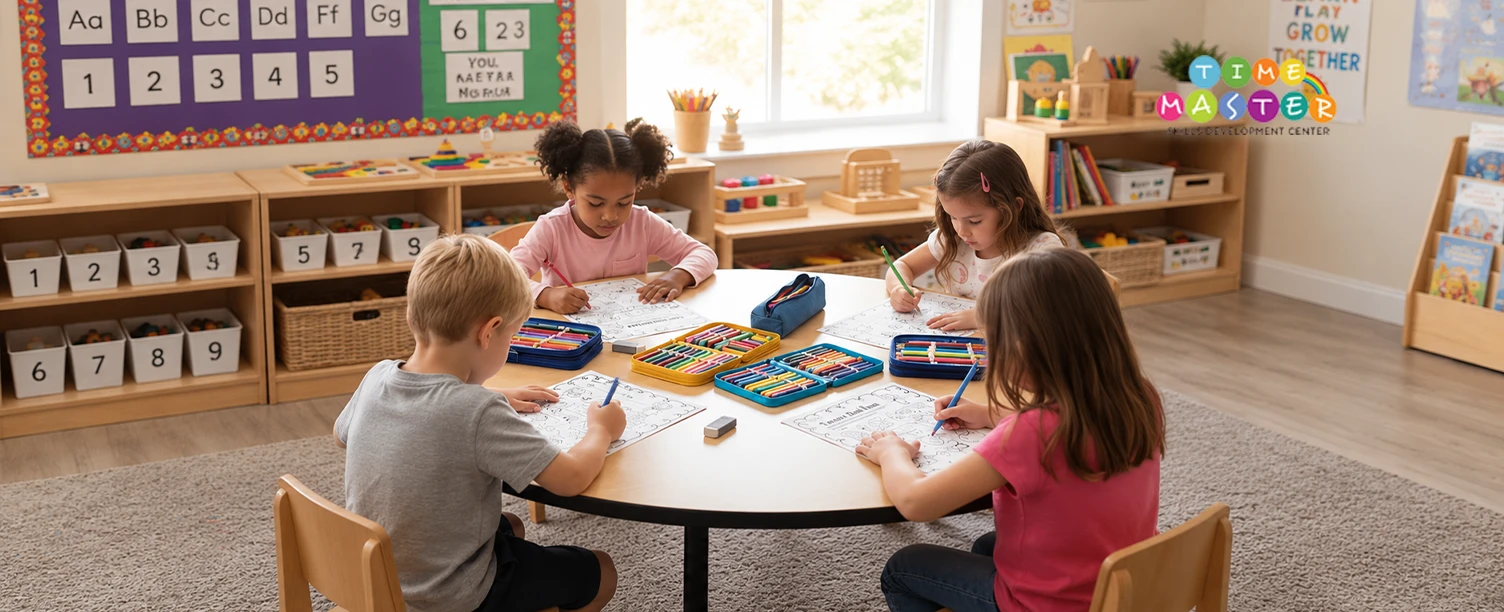
One major sign of a high-quality preschool is that it does not rely only on worksheets or memorisation. Instead, it uses fun learning activities.
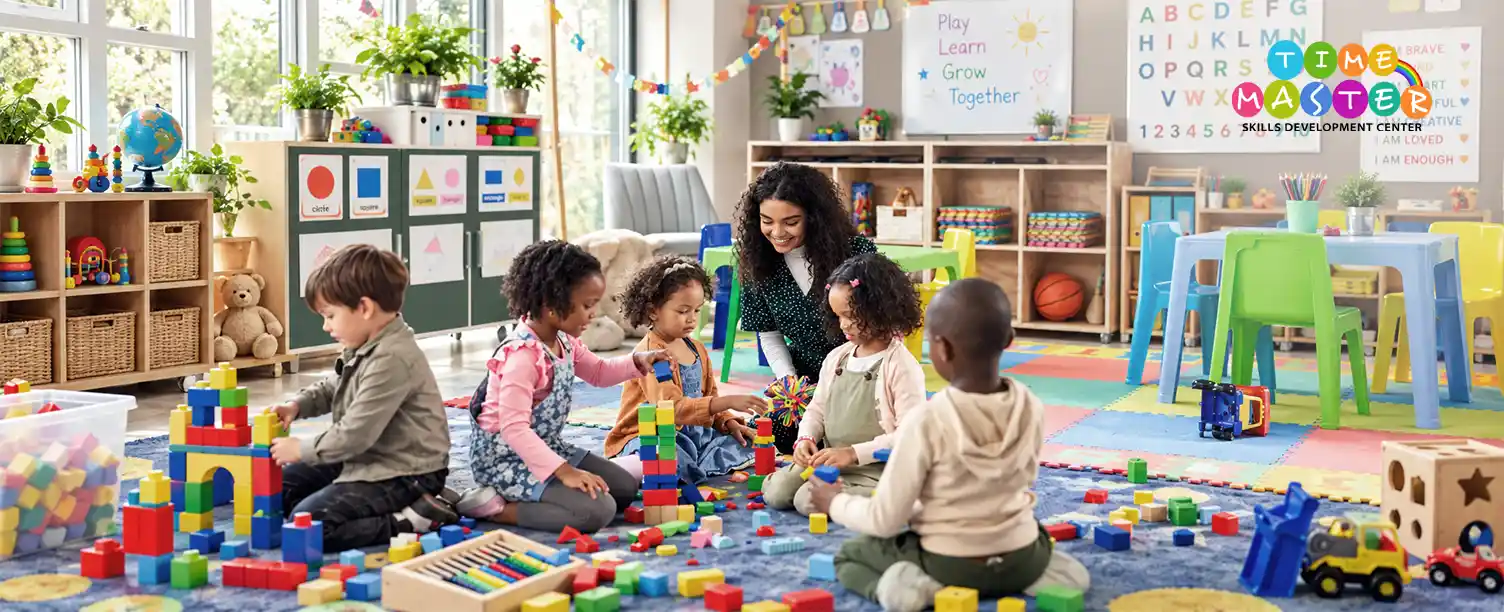
At this age, children learn best by doing. They explore ideas through hands-on activities, stories, songs, games, art, and role play.
What to look for:
- Learning corners for reading, blocks, art, and pretend play
- Music, movement, and storytelling
- Hands-on activities
- Opportunities for creativity
- Fun ways to build early math and language skills
Play is not just fun. It helps children learn how to solve problems, share with others, use language, and think creatively.
For example:
- Building blocks can support problem-solving
- Story time builds listening and vocabulary
- Art activities improve creativity and fine motor skills
- Group games teach turn-taking and teamwork
A high-quality preschool understands that play and learning go together.
Why this matters:
Play-based learning helps children enjoy education while naturally building strong early skills.
4. Strong Focus on Social and Emotional Development
Preschool is not only about academics. It is also where children begin learning how to manage feelings, make friends, listen, share, and work in groups.
A high-quality preschool gives importance to social and emotional development, not just reading readiness.
What to look for:
- Teachers who help children express feelings
- Positive ways of handling conflict
- Group activities that build teamwork
- Support for sharing, kindness, and respect
- Routines that help children feel secure
Children need emotional support to do well in any learning environment. If a child feels scared, ignored, or overwhelmed, learning becomes harder.
Good preschools help children build confidence and emotional strength. They teach simple life skills such as:
- Waiting for their turn
- Asking for help
- Using kind words
- Understanding routines
- Respecting others
These skills are just as important as letters and numbers in the early years.
Why this matters:
Children who build social and emotional skills early often adjust better to school and daily life.
5. Clear Communication With Parents
A high-quality preschool sees parents as partners. It understands that children do best when teachers and families work together.
Good communication helps parents stay informed and involved in their child's growth.
What to look for:
- Regular updates from teachers
- Openness to parent questions
- Feedback on progress and behavior
- Information about daily activities
- Parent meetings or check-ins
Parents should feel comfortable speaking with teachers. They should know what their child is learning, how their child is doing, and where extra support may be needed.
Even simple updates can make a big difference. Knowing that a child enjoyed story time, struggled with sharing, or showed progress in speaking helps parents stay connected to the preschool experience.
Strong parent-school communication also builds trust.
Why this matters:
When parents and teachers work together, children receive more support both at school and at home.
Bonus Signs of a Great Preschool
While the five features above are most important, there are a few extra signs that can also show preschool quality.
Bonus features to notice:
- A balanced daily routine
- Healthy snacks or meal habits
- Outdoor play time
- Age-appropriate learning materials
- Inclusive and respectful classroom culture
These details may seem small, but they often reflect the overall care and planning behind the preschool program.
How Parents Can Choose the Right Preschool?
Every child is different, so the best preschool is one that matches your child's needs and personality.
Simple questions parents can ask:
- Does my child seem comfortable here?
- Are the teachers warm and attentive?
- Is the classroom safe and organised?
- Do children look engaged and happy?
- Is learning active, playful, and age-appropriate?
- Does the school communicate clearly with families?
It is also helpful to visit the preschool, observe a class if possible, and speak to the staff.
Trust your judgment. If a preschool feels caring, calm, and well-managed, that is often a very good sign.
Find your clear answer to why it matters to choose a high-quality pre-school for your kids.
Conclusion
So, what are the top features of a high-quality preschool?
They include:
-
A safe and clean environment
-
Caring and qualified teachers
-
Learning through play
-
Strong social and emotional support
-
Clear communication with parents
These features help children feel secure, supported, and excited to learn.
For parents, choosing a preschool can feel overwhelming at first. But when you know what to look for, the decision becomes easier. A high-quality preschool does not just prepare children for school. It helps them build confidence, curiosity, and a love for learning from the very beginning.
FAQ's