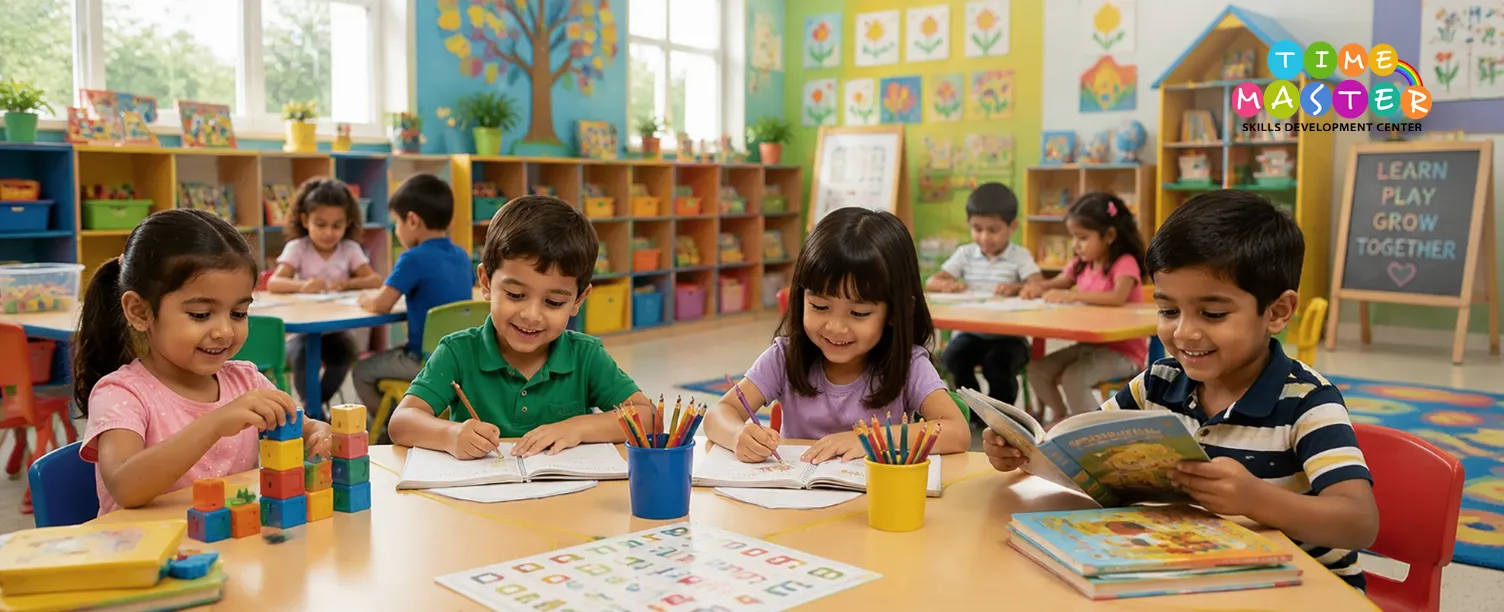
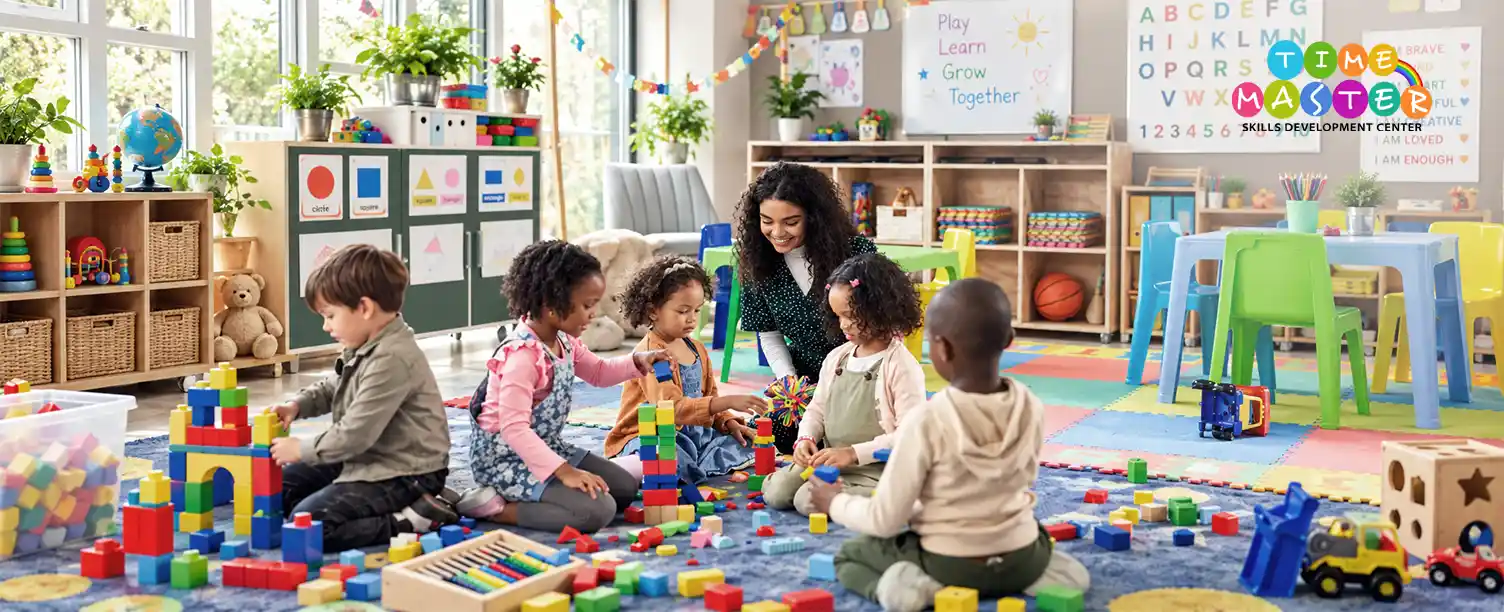
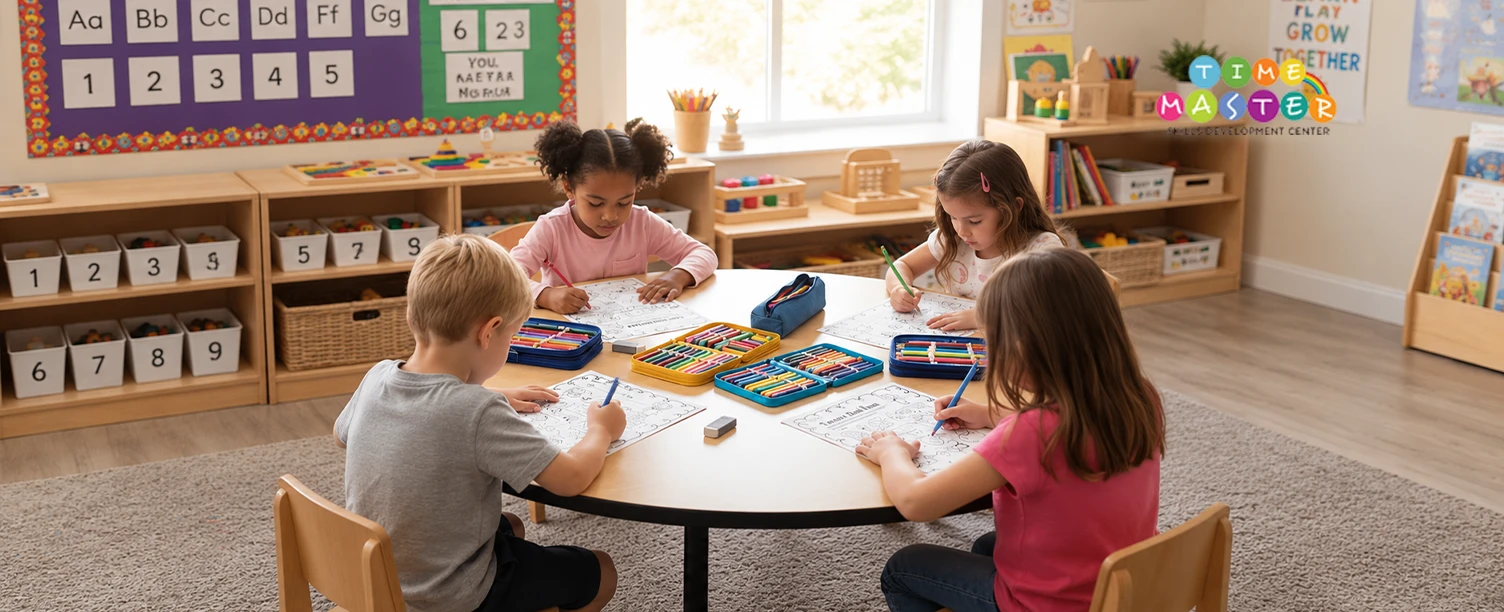
Keeping kids safe at camp means choosing a licensed provider, checking staff-to-child ratios, confirming heat and hygiene safety measures, and preparing your child with simple safety habits before drop-off.
Parents should compare licensing, supervision, transport, and emergency plans before enrolling.
Summer camp is one of the best parts of the holidays. Your child gets to make new friends, try new activities, and burn off all that extra energy while school is out. But as a parent, one question sits above everything else: will my child be safe?
If you're looking at camps around Mussafah or Abu Dhabi, you've probably noticed there's no shortage of choices. So how do you know which one will actually keep your child safe, especially during the UAE's intense summer heat?
This guide walks you through everything that matters, in simple, parent-friendly language. No jargon, just the real things to check before you enrol.
Why Camp Safety Matters More in Abu Dhabi Summers
1.1 Camp Safety vs Everyday Nursery Safety: What's Different?
How Do You Choose a Safe Camp in Abu Dhabi or Mussafah?
What Should You Pack and Teach Your Child Before Camp?
3.1 What Should You Pack for Your Child's Camp?
3.2 What Should You Teach Your Child Before Camp?
Frequently Asked Questions (FAQs)
Why Camp Safety Matters More in Abu Dhabi Summers
Camps run during the hottest months of the year, which means the usual safety questions parents ask about school or nursery aren't quite enough. A good camp in Abu Dhabi does more than keep kids entertained. It protects them by:
- Managing outdoor time around peak heat hours
- Keeping children hydrated and watching for signs of heat exhaustion
- Supervising drop-off and pick-up carefully, especially with vehicles
- Maintaining the same fire safety, hygiene, and staffing standards expected of any licensed childcare setting
Get the safety basics right, and the fun part of camp takes care of itself.
"The safety of children is not just a duty; it is a promise we make with every gate we lock and every hand we hold."
Camp Safety vs Everyday Nursery Safety: What's Different?
Many parents ask how camp safety compares to their child's regular nursery or preschool routine. Here's a quick breakdown:
| Aspect | Everyday Nursery/Preschool |
Summer Camp |
| Setting | Familiar classroom, consistent daily routine | New environment, activity-based, often includes outdoor time |
| Main risk factors | Illness, minor classroom incidents | Heat exposure, transport, water/pool activities, larger groups |
| Supervision style | Regular teacher, known to the child | Rotating instructors or coaches across activities |
| Duration | Term-time, structured hours | Short, intense sessions, often full-day during peak summer heat |
|
Goal |
Steady early learning and development |
Fun, skill-building, and safe engagement during the break |
If your child is heading to a new camp for the first time, it's worth treating the safety check with the same seriousness as choosing a preschool, sometimes more, because of the heat and the shorter relationship with staff.
Try these 10 Summer Vacation Activities for Students to keep your child active, engaged, and learning throughout the school break.
How Do You Choose a Safe Camp in Abu Dhabi or Mussafah?
Here's your practical checklist for choosing a safe summer camp, especially around Mussafah and wider Abu Dhabi.
1. Licensing and Approval
- Is the camp permitted by ADEK (Abu Dhabi) or KHDA (Dubai)?
- Has the venue been inspected for fire safety and hygiene?
- Can staff show you the approval certificate if you ask?
Searching "summer camp near me" is a good starting point, but licensing is what actually protects your child. A confident camp will never hesitate to show proof.
How Can You Tell if a Camp Takes Safety Seriously?
A safe, well-run camp shows the following signs:
- Staff can explain their emergency plan without pausing to think
- Shaded or air-conditioned spaces are available throughout the day
- Water breaks happen often, not just when a child asks
- Check-in and check-out are tracked, not just assumed
- Parents are updated if anything unusual happens
Discover the 5 Reasons To Enrol Your Child In A Kids Camp and give your child a fun-filled experience that builds confidence, creativity, and lifelong friendships.
2. Staff-to-Child Ratio
A lower ratio means closer supervision and faster help if something goes wrong. As a general guide:
- Around 1 staff member for every 8 children for younger kids
- Around 1 staff member for every 15 children for older children and teens
Ask directly: "What is your staff-to-child ratio for my child's age group?" A confident camp will answer with an exact number.
3. Heat and Outdoor Safety
This is the one area that matters more in Abu Dhabi than almost anywhere else. UAE summer temperatures regularly climb into the mid-40s, and car interiors and unshaded outdoor areas heat up dangerously fast. A safe camp should:
- Schedule active outdoor games for cooler morning hours
- Move activities indoors or into shade once temperatures peak
- Encourage regular water breaks, even before kids feel thirsty
- Watch for early signs of dehydration or heat exhaustion, like flushed skin or tiredness
- Never leave a child waiting inside a parked bus, van, or car, even briefly
4. Drop-off, Pick-up, and Transport Safety
Ask how the camp manages the moments before and after the day:
- Do you use electronic check-in and check-out, or a signed logbook?
- Will I be notified the moment my child is collected?
- What is your process if someone unfamiliar arrives for pick-up?
- If transport is provided, is a trained attendant on board?
Explore the Top 7 Reasons Why Summer Camp is Important for Children and see how the right camp can support your child's learning, growth, and happiness.
5. Hygiene, Food, and Medical Readiness
Ask how the camp handles allergies, medication, and illness. A safe camp will:
- Keep a written record of allergies or medical conditions
- Store and prepare snacks or meals hygienically
- Have a trained first-aider on-site with a visible first-aid kit
- Have a clear process for what happens if a child feels unwell
| Camp Safety Checklist for Parents
Before you enrol, use this simple checklist: ✓ Confirmed ADEK or KHDA licensing ✓ Asked about staff-to-child ratio for my child's age ✓ Checked how outdoor activities are managed during peak heat ✓ Confirmed check-in/check-out and pick-up authorisation process ✓ Asked about first aid, allergies, and emergency plans ✓ Visited the venue to check shade, hydration stations, and washrooms ✓ Packed sunscreen, a hat, and a labelled water bottle If most boxes are ticked comfortably, you're likely looking at a genuinely safe camp. |
What Should You Pack and Teach Your Child Before Camp?
Getting your child ready starts before they even leave the house. Here is the list of essentials to pack and teach at home for your child before a camp.
What Should You Pack for Your Child's Camp?
The important things to pack for your child’s camp are:
- A labelled reusable water bottle
- Sunscreen (SPF 30 or higher)
- A hat or cap for outdoor play
- A light jacket for air-conditioned indoor rooms
- Any medication, clearly labelled, with instructions given to staff
What Should You Teach Your Child Before Camp?
The important things to teach your child before camp are:
- Their full name and your phone number
- To tell a camp teacher if they feel unwell, scared, or lost
- How to apply sunscreen and why drinking water matters
- Which adults are allowed to pick them up
Keeping instructions short and calm helps young children remember them without feeling worried.
Camp Drop-Off Safety Guide: What to Ask Before Enrolling
|
Question to Ask |
Why It Matters |
|
What is your ADEK/KHDA licence number? |
Confirms the camp meets official safety standards |
|
What is your staff-to-child ratio? |
Impacts supervision and individual attention |
|
How do you manage outdoor activities in summer heat? |
Protects against dehydration and heat exhaustion |
| How does check-in and check-out work? |
Prevents unauthorised pick-ups |
|
What happens if my child feels unwell? |
Shows how prepared the camp is for emergencies |
|
Is transport supervised by a trained attendant? |
Reduces risk during drop-off and pick-up |
Finding a safe camp in Mussafah or Abu Dhabi isn't about picking the flashiest activities or the cheapest fee. It's about knowing your child is genuinely looked after, especially in the summer heat.
Take your time, ask the right questions, and trust your instincts as a parent. You know your child best.
FAQ's
.webp)