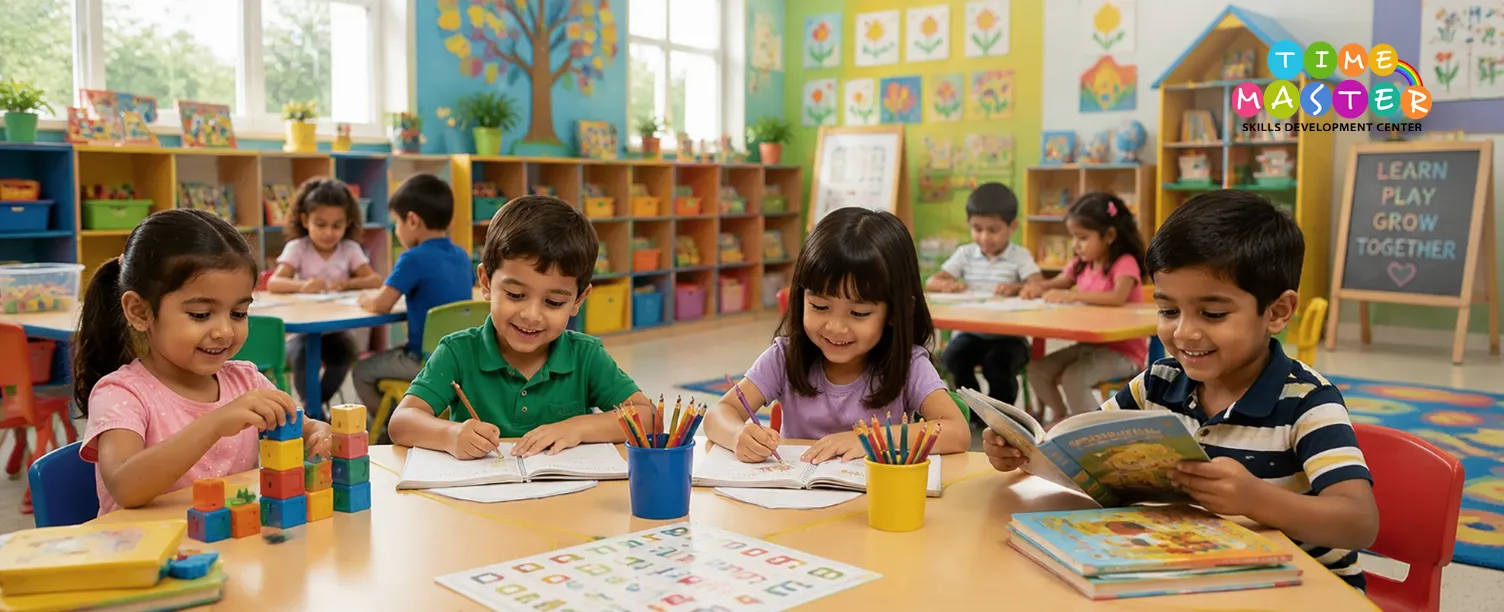
Picking the right book for a five-year-old feels bigger than it looks. The right story at the right age can turn a reluctant kid into someone who begs for "one more page." The wrong one just gathers dust on the shelf.
If you're a parent standing in a bookstore aisle wondering where to start, this article covers the best books for kindergarten kids, why reading matters so much at this age, and how to pick titles your child will actually want to open.
Table Of Contents1. Why Do Books Matter So Much for Kindergarten Kids?
2. What Are the Best Types of Books for Kindergarten Kids?
3. What Makes a Book "Right" for Kindergarten Age?
4. How Can Parents Choose the Right Books for Their Child?
5. How Often Should Kindergarten Kids Read or Be Read To?
6.FAQs: Best Books for Kindergarten Kids
Why Do Books Matter So Much for Kindergarten Kids?
Kindergarten is the age where reading stops being something done to a child and starts becoming something they do with you, and eventually, on their own.
The numbers back this up. Research from the Children's Reading Foundation has found that kindergarten readers have a far higher chance of eventually graduating college compared to children who enter school without reading skills.
Other research shows that nearly half of children starting kindergarten lack the foundational literacy skills they need to succeed at school entry, which is exactly why the books read at home between ages four and six carry so much weight.
There's also a simple, human reason: reading together builds connection. A ten-minute bedtime story is one of the few daily rituals that combines learning, bonding, and calm, all at once.
What Happens in a Child's Brain When You Read Together
When a parent reads aloud, a child's brain is doing several things simultaneously, listening for sounds, matching pictures to words, predicting what happens next, and absorbing new vocabulary.
Studies on early literacy consistently link frequent shared reading in the early years to stronger vocabulary and comprehension by the time a child reaches grade school. This is early learning happening quietly, without flashcards or drills.
What Are the Best Types of Books for Kindergarten Kids?
Rather than a single "best 10" list (every child is different), here are the categories every good kindergarten collection should include:
-
Picture books that build imagination
-
Alphabet and phonics books for letter recognition
-
Rhyming books to build reading rhythm
-
Interactive and touch-and-feel books
-
Early reader books for growing independence
-
Diverse and inclusive stories
1. Picture Books That Build Imagination
Picture books remain the backbone of early learning books for kids, giving young readers their first real taste of story structure and emotion.
- Look for a clear beginning, middle, and end. Kindergarteners are just learning how stories are supposed to flow.
- Choose books with a lesson or feeling a child can talk about afterward, such as "Why do you think the character felt sad there?"
- Favour bold, expressive illustrations that carry the plot even before your child can read every word.
- Rotate a few picture books at a time rather than the whole collection, so each one gets proper attention.
2. Alphabet and Phonics Books for Letter Recognition
These books for child development focus on the building blocks of reading letters, sounds, and blends and are often the first "learning tool" disguised as a story.
- Pick books that pair a letter with a memorable image or action, since kids retain letters better through association.
- Look for titles that introduce sounds gradually rather than all 26 letters at once.
- These are especially useful for kids just starting to sound out words at home.
- They pair well with classroom phonics lessons, reinforcing what teachers are already covering.
Reading age-appropriate books can be an excellent way to support language training for kids in Abu Dhabi, helping children build vocabulary, comprehension, and communication skills.
3. Rhyming Books to Build Reading Rhythm
Rhyme trains the ear for sound patterns, which is a core early literacy skill and one of the strongest predictors of later reading fluency.
- Choose books with a strong, bouncy rhythm; kids naturally want to repeat lines that "sound right."
- Rhyming books to improve kindergarten reading skills also tend to be the most fun to read aloud, keeping bedtime routines light instead of tedious.
- Many children start "reading" these from memory before they can actually decode the words, which builds confidence early.
- Use rhyming books to introduce word families (cat, hat, bat) in a playful, low-pressure way and improve language skills.
4. Interactive and Touch-and-Feel Books
Flaps, textures, and questions that invite kids to point and answer keep restless five-year-olds engaged in a way plain text never will.
- Look for books with lift-the-flaps, textured patches, or simple "find it" prompts to hold attention.
- These work particularly well for preschool and kindergarten books used in a classroom or storytime setting with shorter attention spans.
- Interactive elements also support fine motor skills alongside reading skills.
- Great option for car rides or waiting rooms, where a passive book might not hold interest as long.
Parents can help develop reading habits in kids by introducing them to age-appropriate books and making reading a fun part of their daily routine.
5. Early Reader Books for Growing Independence
Once a child starts recognising sight words, early reader series help them transition from "read to me" to "I can read this myself", a genuinely proud moment for most kids.
- Look for short chapters, controlled vocabulary, and large, clearly spaced font.
- Choose series with recurring characters, so kids build familiarity book after book instead of starting from scratch each time.
- Let your child re-read the same early reader multiple times; repetition is how sight words actually stick.
- Celebrate small wins here; finishing a whole book independently is a major milestone at this age.
For more structured development, parents can also explore language courses for kids that complement reading and early literacy activities.
6. Diverse and Inclusive Stories
Books that reflect different families, cultures, and experiences help children build empathy early, well before they encounter that diversity firsthand.
- Include stories featuring different family structures, traditions, and languages alongside your child's own experience.
- Look for own-voices authors and illustrators where possible, for more authentic representation.
- Diversity in a child's bookshelf is now considered a core part of well-rounded educational books for young children, not an add-on.
- These stories also open natural conversations about kindness, fairness, and difference, lessons that stick well beyond kindergarten.
Best Books for Kindergarten Kids at a Glance
| Category | Best For | Example Type |
|---|---|---|
| Picture books | Vocabulary and imagination | Simple story with big illustrations |
| Alphabet and phonics books | Letter recognition | Rhyming ABC books |
| Rhyming books | Reading fluency | Bounce-along verse stories |
| Interactive books | Hands-on engagement | Lift-the-flap, touch-and-feel |
| Early reader books | Independent reading | Short sentences, repeated words |
| Diverse storybooks | Empathy and worldview | Stories about different cultures and families |
There is no single "best" book; the best books for kindergarteners are the ones that match their reading stage and genuinely interest them.
What Makes a Book "Right" for Kindergarten Age?
Not every colourful book is kindergarten-appropriate. The best kindergarten books usually share a few traits like:
1. Simple, Repetitive Language
Kids aged four to six are still decoding words. Books with repeated phrases ("run, run, as fast as you can") help children predict what's coming and build confidence, especially when they're just starting to read books for 4–6-year-olds independently.
2. Bright, Story-Driven Illustrations
At this age, pictures aren't decoration; they're half the story. Illustrations help kids follow the plot even before they can read every word, which is why educational books for kindergarten almost always lead with strong visuals.
3. A Story Length That Matches Attention Span
Most five-year-olds can stay engaged for 5 to 10 minutes. Books with 20–35 pages and short sentences per page tend to work best for a bedtime or classroom read-aloud.
4. Themes Kids Actually Relate To
Friendship, family, animals, feelings, first days at school, sharing, these everyday themes resonate more than complex plots, and they quietly teach social-emotional skills alongside reading skills.
How Can Parents Choose the Right Books for Their Child?
Parents can choose the right books for their child by:
1. Match the Book to the Child, Not the Trend
A bestseller isn't automatically the right fit. A shy child might connect more with a gentle friendship story than an action-packed adventure. Watch what themes your child already gravitates to dinosaurs, space, animals, superheroes and start there.
2. Read the First Two Pages Before Buying
If the sentence structure feels too complex to read aloud in one breath, it's probably above kindergarten level. A quick two-page test in the store or on a sample preview saves a lot of guesswork.
4. Mix Read-Aloud Books With "I Can Read" Books
A good shelf has both: books you read to your child for vocabulary and imagination, and simpler books your child can attempt on their own for confidence.
5. Ask the Teacher
Kindergarten teachers see, in real time, which books hold a classroom's attention and which titles support the current curriculum. A quick question at pickup can point you toward reading books for kindergarten kids that reinforce exactly what's being taught in class.
Parents can explore these 4 reading strategies to make your kid an excellent reader and help build stronger reading habits, vocabulary, comprehension, and confidence from an early age.
How Often Should Kindergarten Kids Read or Be Read To?
There's no strict rule, but consistency matters more than duration. Even 10–15 minutes a day of shared reading adds up over a school year.
National literacy survey data show that children aged five to eight who read daily report noticeably stronger engagement and enjoyment than those who read only occasionally, and the habit formed now tends to carry into later school years.
A simple, sustainable rhythm for most families:
- One shared read-aloud story every night
- One "practice" book the child attempts independently, even if it's just recognising a few words
- A weekly trip to the library or a rotating home book box to keep things fresh
What Should Parents Avoid When Choosing Kindergarten Books?
- Books far above reading level: They frustrate more than they teach.
- Overly long, text-heavy pages: Kindergarteners need visual anchors.
- Only "educational" books with no fun factor: Kids disengage fast if reading feels like a worksheet.
- Ignoring re-reads: A child asking for the same book repeatedly is actually building fluency and memory, not being repetitive for no reason.
The best books for kindergarten kids aren't defined by awards or bestseller lists; they're the ones your child asks to hear again and again.
A good mix of picture books, phonics books, rhyming stories, and early readers gives kids the tools to build vocabulary, comprehension, and confidence, while the shared time with a parent builds something equally important: a genuine love for stories.
Start small, stay consistent, and let your child's curiosity lead the way. That's really all early learning through books needs to look like.
FAQ's
Yes. UAE-themed books introduce children to local culture, heritage, wildlife, and traditions in an engaging, age-appropriate way.